
Understanding Stuttering
What Is Stuttering? A Place to Begin
Understand stuttering and stammering, what these words mean and why there can be more to the experience than others hear.
Coming soon

Anxiety & Confidence
Before a call, an introduction or an interview, you might notice both more worry and more difficulty with your words. Here we explore how anxiety and stuttering can interact, along with practical choices and ways to find support.
10 min read
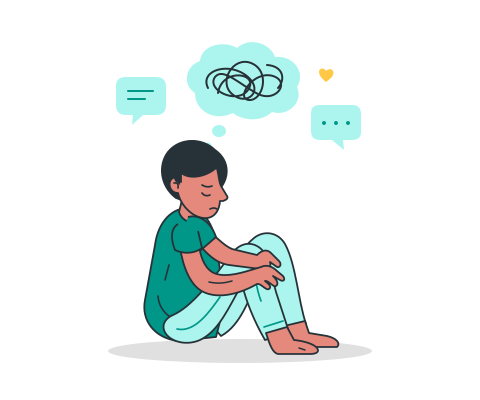
When you feel anxious, you may notice a faster heartbeat, sweating or thoughts about how other people will respond. You might find yourself thinking about the conversation long before it happens, or going over it afterwards. These experiences can occur with social anxiety, although an occasional anxious moment does not establish a diagnosis. [3]
If you stutter (or stammer), these feelings may sit alongside familiar concerns about a particular word, a pause or whether someone will give you time to finish.
Your experience may also change from one situation to another. A conversation that feels comfortable today may feel different tomorrow.
The most common form of stuttering, developmental stuttering, usually begins in childhood. Its development involves several factors, including genetic and neurological differences. Nervousness is not its underlying cause, although stress and speaking demands can affect how stuttering is experienced. [1, 2]
You might notice more stuttering in a situation where you feel under pressure. You can also stutter when you feel calm.
Past speaking experiences can matter, too. Being interrupted, rushed or judged may leave you worrying about what will happen in another conversation. Research has found higher levels of anxiety, on average, among adults who stutter, while individual experiences vary. [4]
Your own experience may follow a different pattern. Recognising a pattern can give you something specific to discuss with a professional.
You might find some of these situations comfortable and others difficult. What matters is understanding the moments that affect you and the support you would find useful.
If you choose to practise, consider what you want practice to help you do. That might mean asking a question in a meeting, finishing a thought or requesting more time in a conversation.
You might use a short piece of reading or speak with someone you trust. Your goals can include participation, comfort and saying what you want to say.
Research has also examined cognitive behavioural therapy, or CBT, alongside speech treatment for adults who stutter. CBT is an approach used to address anxious thoughts and behaviours. A qualified professional can discuss whether it fits your needs. [5]
Support for anxiety and support for speech can address different parts of your experience. The goals should reflect what matters to you.
If worry about speaking is affecting work, study, relationships or activities you want to take part in, consider talking to a qualified professional. [3]
A speech and language therapist, also called a speech-language pathologist, can explore your communication experiences and goals. A qualified mental health professional can help with anxiety. Depending on your needs, they may work together.
You can ask for support even if other people describe your stuttering as mild. What they hear may not show how much effort, worry or avoidance you experience. [2]
If you are unsure where to begin, a primary care professional can help you find an appropriate service.
Written by the Seakeasy Team. Clinical review: Not yet clinically reviewed.
Learn more
Understanding Stuttering
Understand stuttering and stammering, what these words mean and why there can be more to the experience than others hear.
Coming soon
Everyday Speaking Situations
From rehearsing your opening words to asking for more time, explore practical ideas for approaching your next call.
Coming soon

Anxiety & Confidence
Ideas for the minutes before a call, introduction or conversation, with room to choose what feels useful to you.
Coming soon
Seakeasy is a free app for people who stutter. Explore the tools and find a place for practice in your own routine.

Available on Android. Not yet available on iPhone.